
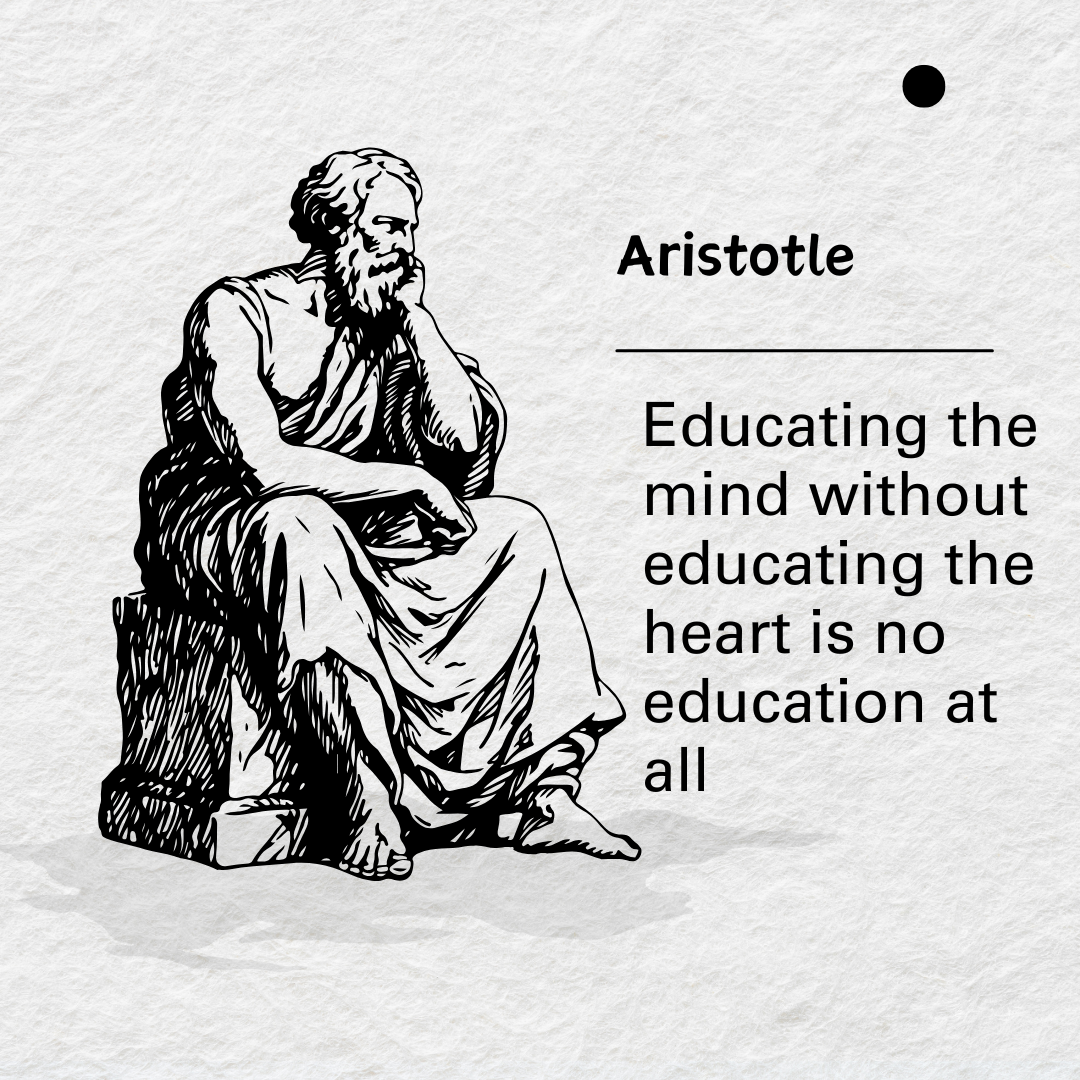
Modern self-help draws heavily on Stoic philosophy, but Aristotle was better at understanding real human happiness.
Ancient Stoicism was pessimistic and grim. It denounced pleasure and required the suppression of emotions. It recommended the resigned acceptance of misfortune instead of engaging with the fine-grained business of everyday problem-solving. It left little hope or constructive repudiation of suffering.
Aristotle, however, developed a model for maximizing happiness that can be applied to both individuals and society, and it remains relevant today. His philosophy became known as Peripatetic philosophy because Aristotle conducted debates while strolling with his interlocutors. According to him, the purpose of life is to maximize happiness by living virtuously, fulfilling one’s potential as a human being, and engaging with others. Humans must take responsibility for their own happiness, as God is seen as a remote entity. Yet, imagining a better, happier life is feasible since humans are born with innate capabilities that allow them to promote individual and collective flourishing.
What did Aristotle mean by happiness?
He did not believe happiness could be attained by accumulating material goods, social status, respect, or public recognition. Instead, he viewed happiness as an internal, private state of mind. Some philosophers, like the hedonists, believed that we should aim to maximize physical and sensory pleasures. But Aristotle questioned — is that kind of happiness any different from the happiness of a pig?
Aristotle believed in training oneself to become the best possible version of oneself until doing the right thing becomes habitual — like being on autopilot. Happiness, to him, was not just about feeling good or enjoying life superficially; it required developing good character and virtues. He acknowledged that external misfortunes, such as being born into a destitute family, make the pursuit of happiness difficult, but not impossible. The loss of close friends or children might be deeply painful, yet these events test a person’s character. The only way to become a good person is to treat others well, regardless of what happens to you.
While people might be able to cope alone, Aristotle questioned why anyone would choose isolation. Humans are not born good or bad, and it is never too late to change. Intention is always a crucial gauge of right behavior. For example, one person might jump on a train without a ticket to visit his hospitalized child, while another might dodge the fare despite being highly paid. Aristotle was utopian in his belief that every person has the potential to realize their abilities and make full use of their faculties.
Conclusion:
In today’s world of material pursuits and instant gratification, Aristotle’s emphasis on virtue, character, and meaningful relationships remains profoundly relevant. True happiness stems not from external possessions but from inner excellence and moral living. His philosophy teaches us that self-improvement is a lifelong journey. Every small act of kindness, courage, and wisdom contributes to a happier life. By striving to be better individuals, we naturally create a better society for all.